Start a project
Work
3 mins

Show + Tell launch AI-powered moodboarding tool for Design Tonic

26 March 2026
Leeds arena design tonic
Back to insights
Listen to this article
0:00/5:34

We’re excited to announce that we’ve partnered with Design Tonic to create a new AI-powered moodboarding experience that gives prospects a fun, engaging way to bring their ideas to life while saving time. Instead of spending days trawling Pinterest, building boards manually and trying to translate scattered inspiration into a clear brief, users can now generate personalised moodboards in a faster, more intuitive way.

At Show + Tell, we’re always looking for new ways to help our clients innovate, lead their market and create better user experiences. That doesn’t just mean delivering against a brief. It means proactively bringing fresh ideas to the table when we spot an opportunity to create something that adds real value.

That was the thinking behind our latest project with Design Tonic.

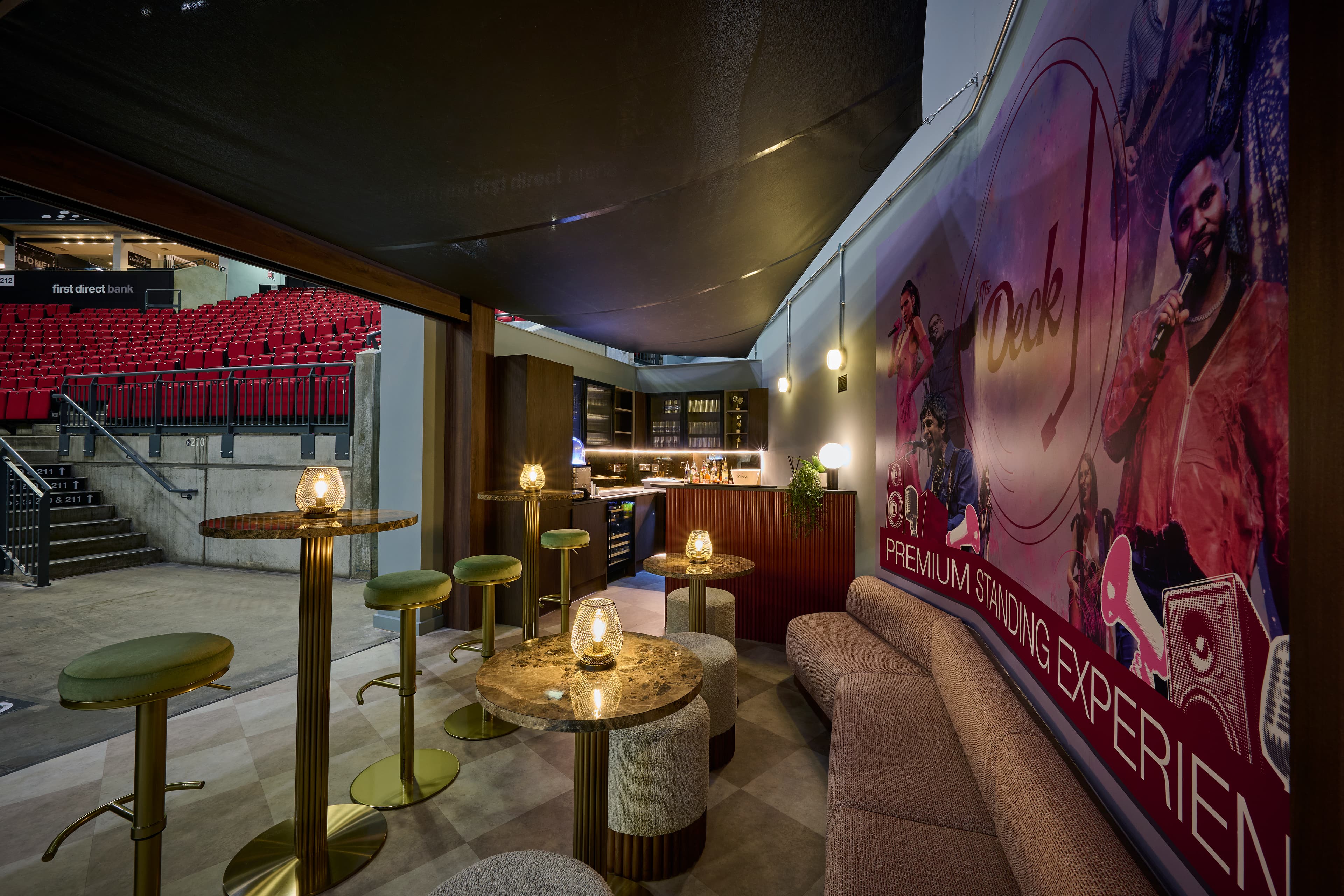
Design Tonic  Promo Image

The idea came from a simple observation. For many businesses, the typical process of gathering inspiration is time-consuming, fragmented and often frustrating. Prospects can spend days scrolling Pinterest, saving reference images, comparing styles and trying to piece together a direction that reflects their brand, space and goals. It’s a process that can be slow, overwhelming and difficult to translate into a meaningful starting point.

We saw an opportunity to make that experience quicker, smarter and much more engaging.

Rather than asking users to do all of that manual work themselves, we created a guided digital experience that helps them shape and express their vision in a far more intuitive way.

The tool works as a multi-step wizard, guiding users through key design choices including colour preferences, business description, design intent, stylistic sliders, space selection and budget. As users move through the journey, AI technology powers the creation of personalised moodboards based on their inputs, turning early ideas into something visual, usable and much easier to respond to.

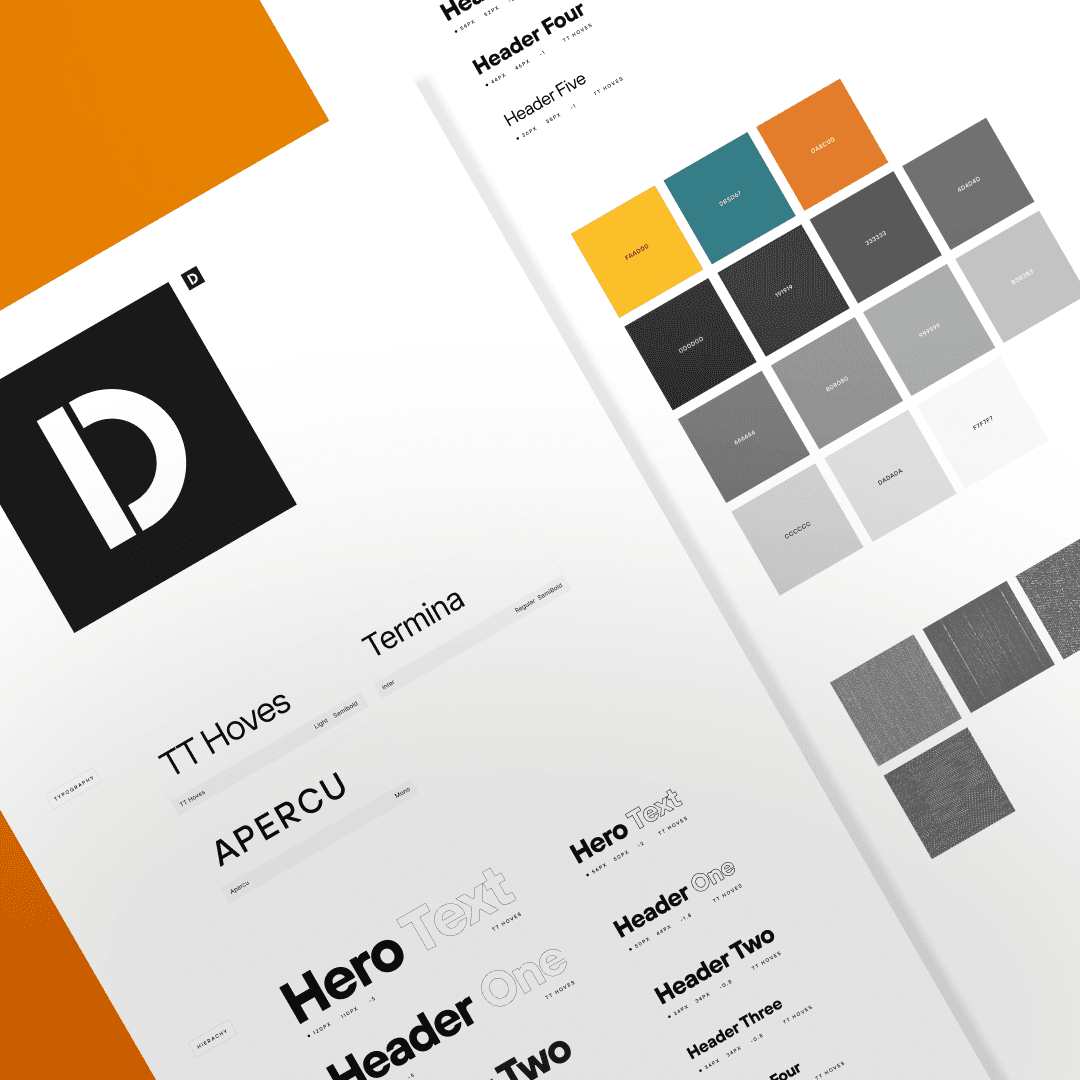
Design Tonic  Promo Image

Behind the scenes, the platform combines a PHP-driven multi-step build with JavaScript-powered interactions, validation and dynamic conditional logic, alongside AI integration that powers the personalised moodboarding experience itself. The result is a journey that feels smooth, interactive and responsive, while still collecting valuable commercial insight in the background. Click here to find out more about our AI design agency offering.

That’s what makes the tool more than just a visual experience.

It’s a pre-sales tool built to help Design Tonic engage prospects earlier and more effectively, giving users something far more useful than a standard contact form while also giving the business richer data and stronger sales visibility.

Crucially, the experience is fully integrated with HubSpot, meaning the sales team can see who is using the tool, what preferences they’re selecting and where they are in the journey. That gives Design Tonic much greater visibility on prospect intent and creates a more informed, more timely follow-up process.

We also created supporting HubSpot workflows around the experience, helping automate lead handling, improve visibility across the pipeline and ensure the right follow-up happens at the right time. That CRM and automation side was led by our sister agency, Next Chapter, who specialise in HubSpot CRM strategy, implementation, integrations, workflows and training.

Together, that means the project doesn’t just look good on the front end. It also works hard behind the scenes connecting user engagement with sales processes, improving lead intelligence and helping the team turn interest into action more effectively. Next Chapter’s positioning around HubSpot implementation, workflows, integrations and sales/marketing alignment fits that story well.

The value of the product goes even further. As well as supporting Design Tonic’s own pre-sales journey, the platform has been built with white-label potential in mind, enabling other brands to use the tool under their own identity and integrate it into their own websites. That opens up additional commercial opportunities through SaaS licensing, industry-specific adaptations and future supplier or affiliate partnerships.

For us, this project is a great example of what can happen when digital thinking, design thinking and commercial thinking come together.

It reflects the kind of partnership we want to build with every client: one where we’re not just delivering outputs, but actively looking for opportunities to help them move faster, stand out in their category and create better experiences for their users.

We’re proud to have worked with Design Tonic on a product that does exactly that; making the process of shaping a design direction more enjoyable for prospects, more efficient for the business and more commercially valuable from day one.

Simon Buchannan, Senior Designer

“Designing an experience like this requires a completely different mindset to a traditional B2B user journey. Usually, those journeys are built around forms, information capture and rational decision-making. Here, we were creating something far more visual, intuitive and emotive.

People are used to spending hours, sometimes days trying to piece ideas together across platforms like Pinterest, so the opportunity was to make that process faster, more guided and far more engaging. The challenge was to create something that feels inspiring and easy to use, while still capturing meaningful intent for the client. That balance is what makes the product powerful.”

Share this article

Related Reading