
Why your brand might be starting to sound like everyone else's
16 October 2026
There's a trust problem developing in B2B marketing that doesn't get talked about enough. Not the obvious kind, the hallucinated statistics, the automated outreach, the AI content that reads like it was written by nobody for nobody. Those problems are visible and increasingly well-documented.
The one worth paying closer attention to is quieter, slower, and potentially more damaging in the long run.
It's homogeneity.
The one-percent problem
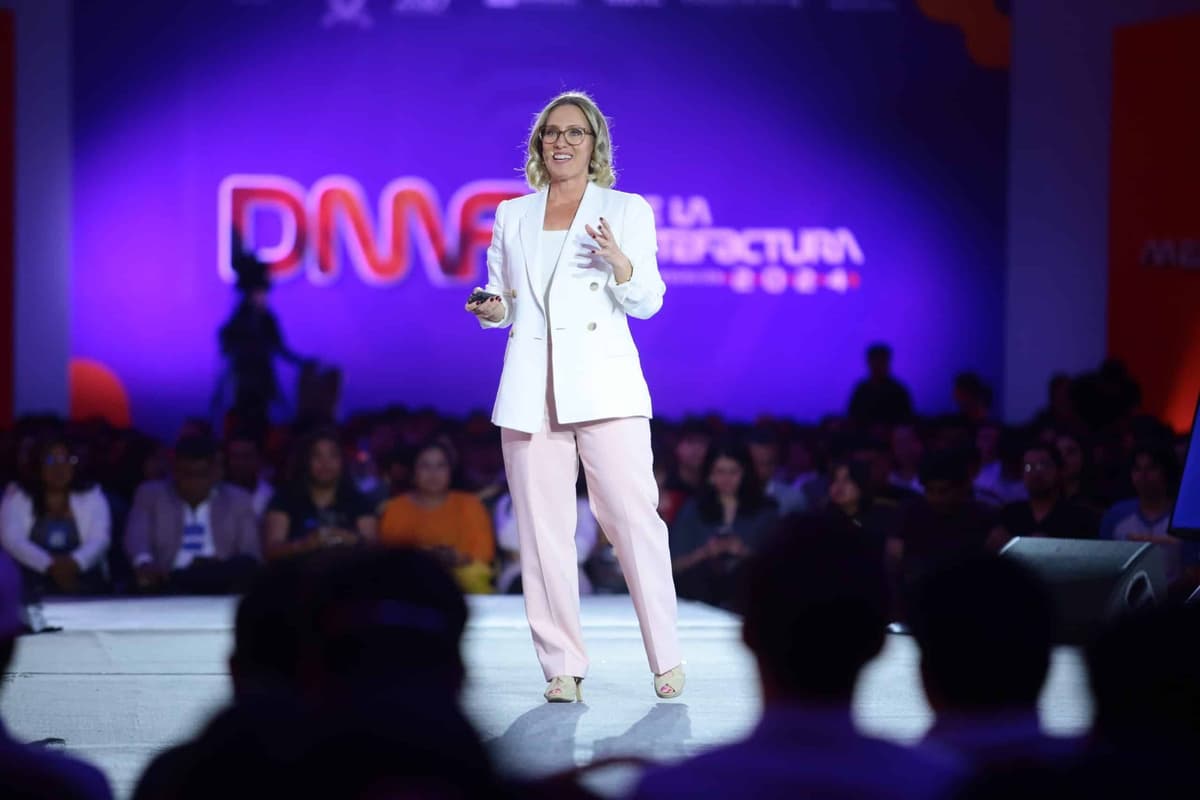
Show + Tell founder, Charlie Hartley, recently joined a FutureForum panel discussion on trust in B2B marketing, alongside an AI consultant, a crisis comms specialist, a B2B marketing director, and Next Chapter's Daniel Swepson. The observation that generated the most discussion was straightforward but uncomfortable: the more brands run their messaging and creative direction through the same AI tools, the more they get back answers that are fractionally more averaged than before. One percent more similar to a competitor. One percent less distinctive.
At scale, across an entire industry, that adds up quickly.

In the sectors Show + Tell works across, commercial property, private equity, manufacturing, professional services, brand was already fairly conservative before AI arrived. The bar for standing out is now higher, even as the tools to produce generic work have become cheaper and more accessible than ever.
Human in the loop isn't a quality control step, it's the work
The panel returned repeatedly to a principle that sounds simple but is easy to get wrong: keeping humans genuinely involved throughout the creative process, not just at the end as a sign-off. For Show + Tell that means designers actively shaping and iterating rather than approving. Brand strategists and copywriters who know their craft well enough to push back on the averaged answer and find the genuinely distinctive one.
Katie Eborall made the point that underpins all of this: AI, in essence, isn't emotional. It can gather data, surface insight, and accelerate execution. It cannot replicate the human connection that makes a brand genuinely trusted. That still requires people who know their audience well enough to say something that actually matters to them.
The opportunity hiding in plain sight
The panel agreed on one thing without much debate: the brands willing to be brave enough to step outside the converging middle ground are going to stand further and further apart from their competitors. That's not a comfortable thing to act on — it requires genuine creative confidence and a willingness to look different from your peers. But it's where the real opportunity is right now.
The full conversation covering AI pressure, data ownership, crisis planning, and whether trust can actually be measured is available to watch in full on the FutureForum site.
Watch the full panel discussion here.
Related News