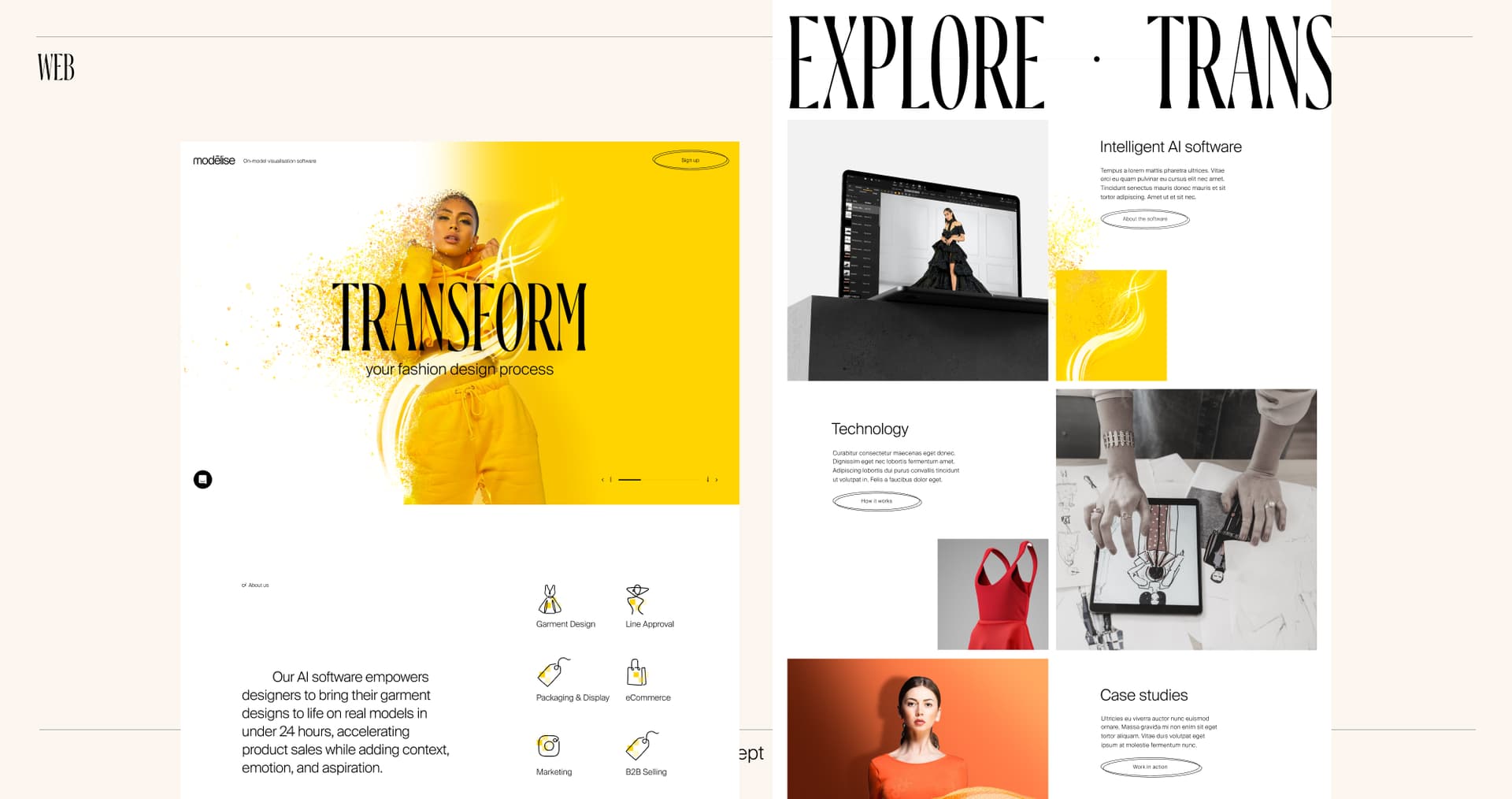
How To Stand Out When So Many B2B Websites Look The Same
If you spend any time browsing B2B websites, you'll quickly notice that many of them look remarkably similar. Clean layouts, safe visuals, familiar language. But with attention spans shorter than ever, and competition being fierce, brands need to stand out from the crowd.
How exactly can brands break away from this? As B2B experts, here’s our advice.
The Problem with "Samey" B2B Websites
The digital world is moving at lightning speed. Social platforms, content consumption habits, and user expectations are constantly shifting, but many B2B websites aren't keeping pace. Some websites haven't been properly invested in for years. Or often brands have looked inward or copied competitors, rather than defining a clear identity they can own.
At the same time, content management systems have become far more capable. New CMS features allow for richer content, smarter interactions, and more engaging experiences than were possible even two years ago. The opportunity to build high-performing digital experiences is there, but many brands aren't taking it.
The result? Websites that look fine, but don't excite, engage, or differentiate.
What Really Makes a B2B Brand Stand Out Online
Standing out isn't about chasing trends or copying what looks "cool." It's about consistency and clarity.
Strong B2B websites are built around a clear visual and verbal message that carries through design, content, and user experience. The key question brands should ask is: “what does a user actually need to do here?” Whether it's learning, engaging, or converting, the experience should feel intentional, rich, and distinctly yours.
Personalisation plays a big role here too. When content feels relevant and tailored, it creates stronger engagement and sets a brand apart from competitors using generic messaging.
Why Brand Clarity Matters
Attention spans are shorter than ever. If a website doesn't capture interest immediately, users will leave. After all, there are often alternatives are just a click away.
“We’re just very quick to not be loyal these days. If a website doesn’t catch attention right away, and someone else has given an offer recently, we’ll move on to the next brand.” – Cat Patterson, Senior Project Manager
This makes brand clarity and messaging vital. A strong visual identity paired with compelling content helps grab attention early. Beyond that, interactive elements like AI tools, experiences, or demos, can encourage users to stay longer and explore further.
The goal isn't to overwhelm, but to invite interactions that feel natural and valuable.
UX: The Silent Differentiator
You can usually tell straight away when a website hasn't been shaped by proper UX thinking. Poor navigation, unclear journeys, and friction at key moments are all signs of missed opportunities.
The good news? Improving UX doesn't always require a full website rebuild. Often, things can be improved with a refinement project. External user testing, unbiased feedback, and task-based testing can reveal where users struggle, identifying improvements that will have the biggest impact on user journeys and pipeline.
Without UX, even the best-looking site risks being purely decorative. With it, websites become functional tools that guide users towards meaningful outcomes.
Using AI Without Losing the Human Touch
AI can enhance experiences in smart, practical ways, when used with human oversight and guidance.
For B2B brands targeting multiple sectors or job roles, AI can rapidly scale content personalisation. It can also power interactive tools, for example allowing users to generate mockups or explore tailored solutions, making experiences more memorable and engaging.
Used thoughtfully, AI becomes a way to serve users better, not a shortcut that removes creativity or strategy.
One Thing B2B Brands Can Do Right Now
If there's one immediate step brands can take to improve their online presence, it's this: bring in an external perspective.
Internal teams are naturally biased - it's hard not to be when you work with the brand every day. External experts bring fresh eyes, experience from other sectors, and current knowledge of what's possible digitally.
And it doesn't have to be permanent or risky. A/B testing, user testing, and gradual changes allow brands to make data-backed decisions and evolve confidently over time.
Final Thoughts
B2B websites don't have to look or feel the same. With clear brand thinking, strong UX foundations, thoughtful use of technology, and a willingness to challenge internal assumptions, brands can create digital experiences that stand out, and convert.
Sometimes, all it takes is looking at your website through someone else's eyes.