.jpg&w=1920&q=75)
How B2B brands can use the OpenAI App Store
26 December 2025
Back to insights
Listen to this article
0:00/3:54
1. Turning expertise into a conversational product
Many B2B businesses sell knowledge as much as software. Think compliance, legal, finance, HR, data, operations or strategy. A ChatGPT app allows that expertise to be packaged into a conversational assistant that gives tailored guidance based on context.
Instead of static content or long documents, customers can ask questions and get answers that feel specific to their situation. This reduces support load and increases perceived value.

2. Simplifying onboarding and setup
Onboarding is one of the biggest friction points in B2B. An app inside ChatGPT can guide users through setup step by step, adapting based on their responses.
What are you trying to achieve?
What tools are you using?
What level of complexity do you need?
The experience feels more like a conversation with a consultant than a form or tutorial.
3. Making complex products easier to use
Many B2B platforms are powerful but intimidating. A ChatGPT app can act as a layer on top of the product, translating intent into action.
Instead of learning menus and workflows, users explain what they want to do.
- Generate a report
- Compare performance
- Prepare a proposal
- Pull insights from data
The product becomes more accessible without needing a full redesign.
4. Creating a new distribution and discovery channel
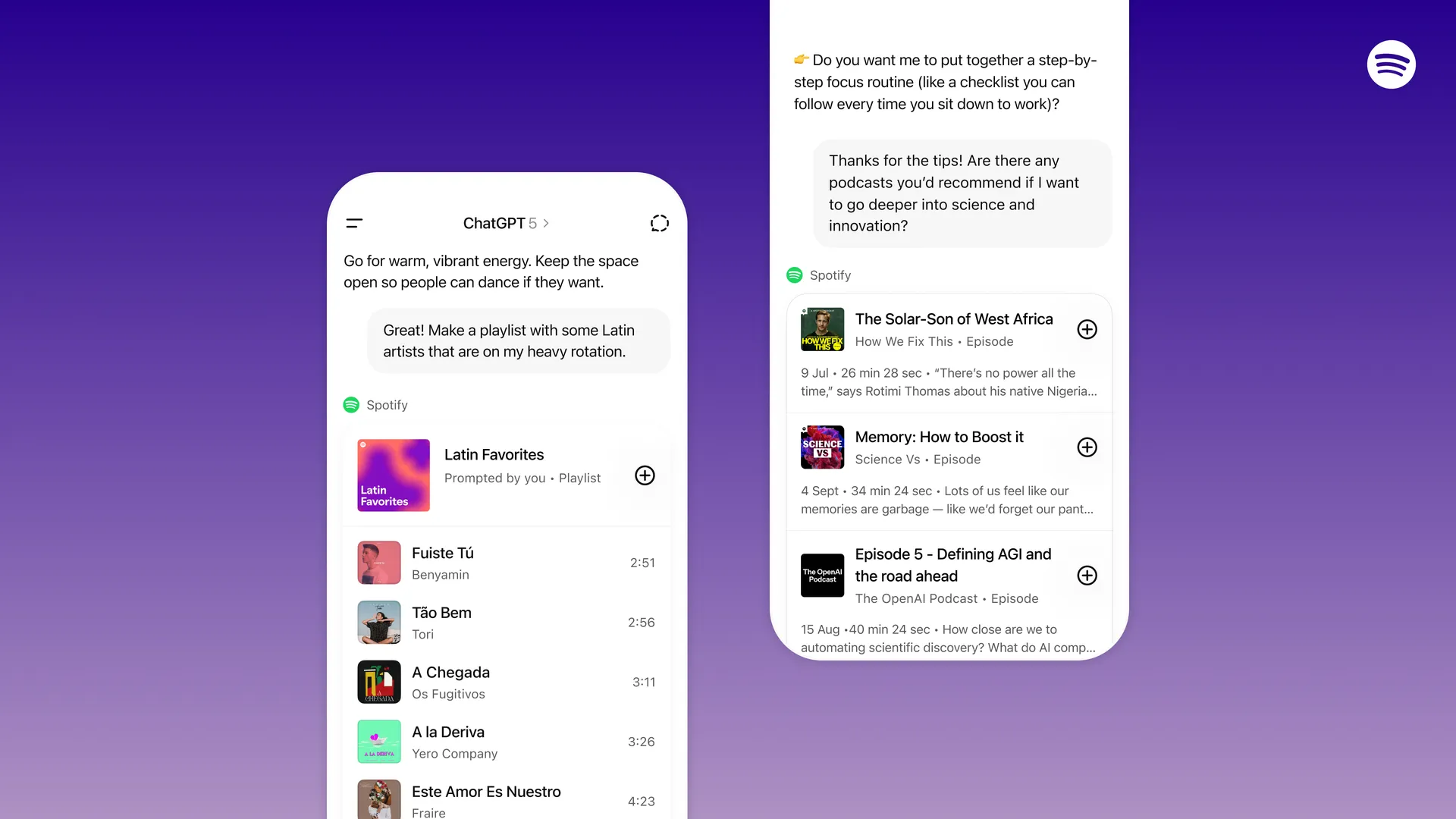
The App Store inside ChatGPT introduces a new way for users to find tools. This is early, but important.
For B2B brands, being present in this ecosystem means showing up where thinking starts. Not just when buyers are already searching for vendors. It is less about traffic and more about relevance.
Where agencies or consultancies come in... Building something meaningful in this space is not a technical exercise alone. The risk is creating a novelty that looks impressive but solves nothing. This is where an agency like Show + Tell plays a critical role.
How we help B2B brands approach the App Store"
Strategy first, not tools first. Before anything is built, the key questions are:
- What problem are we solving
- Who is this for
- What behaviour are we trying to change
- Where does this sit in the wider product and brand ecosystem
We help brands decide whether a ChatGPT app makes sense and what role it should play. Designing the right conversational experience. Conversation is a design challenge, not just a prompt. We help shape how the app behaves, how it responds, what it can and cannot do, and how it reflects the brand. Tone, clarity and usefulness matter more than novelty.
Connecting brand, product and platform. A ChatGPT app should not feel like a bolt on. We help ensure it connects seamlessly with existing products, services and brand experience. From positioning and messaging to user journeys and value propositions.
This is where B2B brands can differentiate. Thinking beyond launch. The App Store is not a campaign. It is a capability.
We help brands think about iteration, learning and evolution. What data can be gathered. How behaviour changes. How the experience improves over time. This is long term thinking applied early. A shift worth paying attention to. The OpenAI App Store will not replace websites, platforms or sales teams.
But it will change expectations. Customers will increasingly expect products to understand them, guide them and respond in natural language. B2B brands who explore this early will not just look innovative. They will remove friction, create clarity and add value where it matters. The opportunity is not to be first. It is to be useful.